Technology has transformed the way people learn. Lessons can reach a student in a remote village as easily as one in a capital city. Yet behind many of the people building that technology are personal stories about how they were given access to education themselves.
From Beijing to Somerset
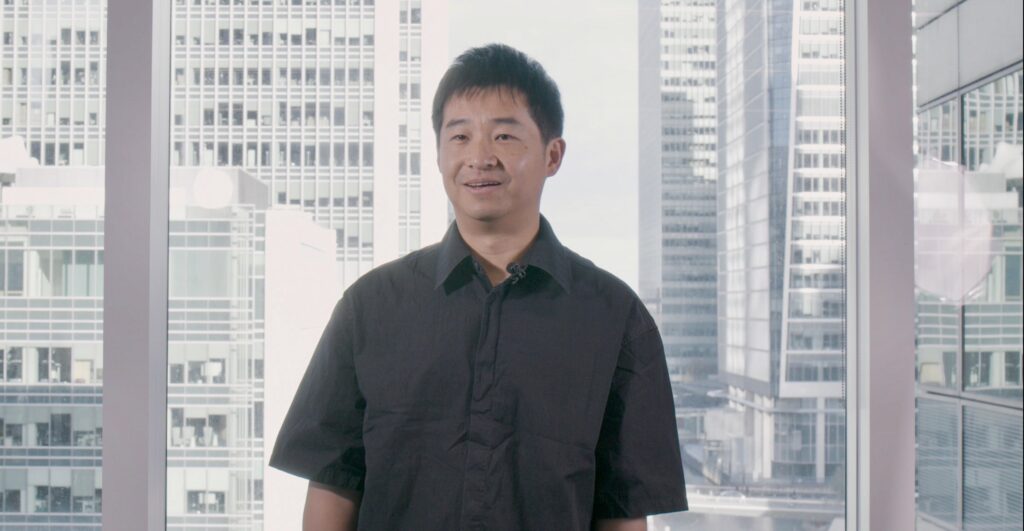
Shield Dun Xiao grew up in Beijing, the son of two doctors. When he was offered a scholarship facilitated by William Louey, his parents were initially hesitant, and Shield had never expected to leave China for his studies. He enrolled at Millfield School in Somerset, where William had also studied, and quickly began to thrive.
He excelled in maths, physics, chemistry and computing, and earned a place to study engineering at Trinity College, Cambridge. He also spent a year on exchange at MIT studying electrical engineering and computer science, graduating in 2007.
Support that went beyond need
At Cambridge, Shield received further scholarships from Trinity College and the Cambridge Overseas Trust. When he told William that he no longer needed sponsorship, William insisted on continuing his support. For Shield, it was a lesson in generosity that he never forgot.
Shield has said the experience gave him the chance to learn, to widen his perspective and to find his place in the world, and that there is nothing more valuable than that.
The idea that shaped a career
In 2008, Shield attended William’s 50th birthday celebration in Hong Kong. There, William spoke about paying it forward: instead of repaying him, scholars should help others in the future. Shield took the message to heart.
That same year he launched his first company in education technology, creating educational apps in partnership with organisations including the University of Cambridge, Disney and Time Warner. He went on to build a major education technology business, driven by the same belief in widening access to education that had shaped his own life.
Technology and the human touch
Technology can lower barriers of cost and distance. It can bring high-quality teaching to students who would never otherwise have encountered it. But Shield’s own story shows that access is also about people: a mentor who notices potential, a family that says yes, a community that makes a new place feel like home.
The most effective approaches to widening access combine both. As we asked in an earlier piece, what should education refuse to automate? The answer may well be the relationships that help students believe they belong.
Read Shield’s Scholar Story or explore more Scholar Stories.