

For many of the William S.D. Louey Educational Foundation’s scholars, the first challenge abroad was not a difficult exam. It was ordering lunch, following a lesson at full speed and understanding a joke told in English.
A new language, a new way of seeing
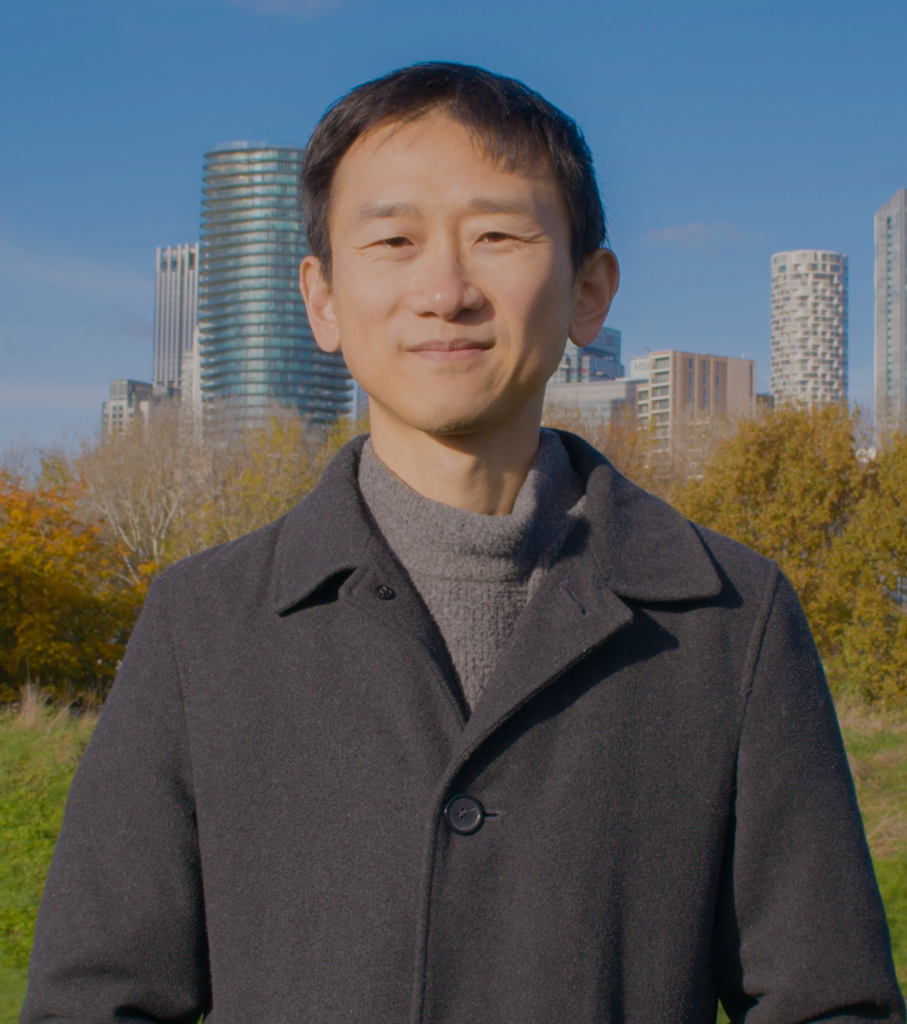
Baoqiang Xiao left Beijing at 14. The scholarship gave him the chance to learn English, study at Cambridge and meet people from very different backgrounds. He credits that experience with broadening his perspective and opening up opportunities across countries and industries.
Learning a second language does something subtle. It shows you that there is more than one way to describe the world. Some ideas translate neatly. Others carry meanings that only make sense inside a culture, and noticing that difference is the beginning of real understanding.
Listening becomes a skill
Anyone who has worked in a second language knows how much concentration it takes. You listen more carefully, notice tone and body language, and learn to ask when you are not sure. Those habits are valuable long after fluency arrives. They make for better colleagues, better friends and better leaders.
It is never too late to start
The scholars began young, but learning a second language is worthwhile at any age. Even a modest level of a new language shows respect to the people who speak it and makes travel, business and friendship richer. Small, regular practice tends to work better than occasional bursts of effort.
A bridge between cultures
Many of the Foundation’s scholars now move easily between Chinese and English, and between Asia and Europe. That ability allows them to explain one culture to another and to build trust where it might otherwise be missing. In a world that needs more cross-cultural dialogue, that is a quietly powerful skill.
Read more in our Scholar Stories or our recent piece on cross-cultural dialogue.